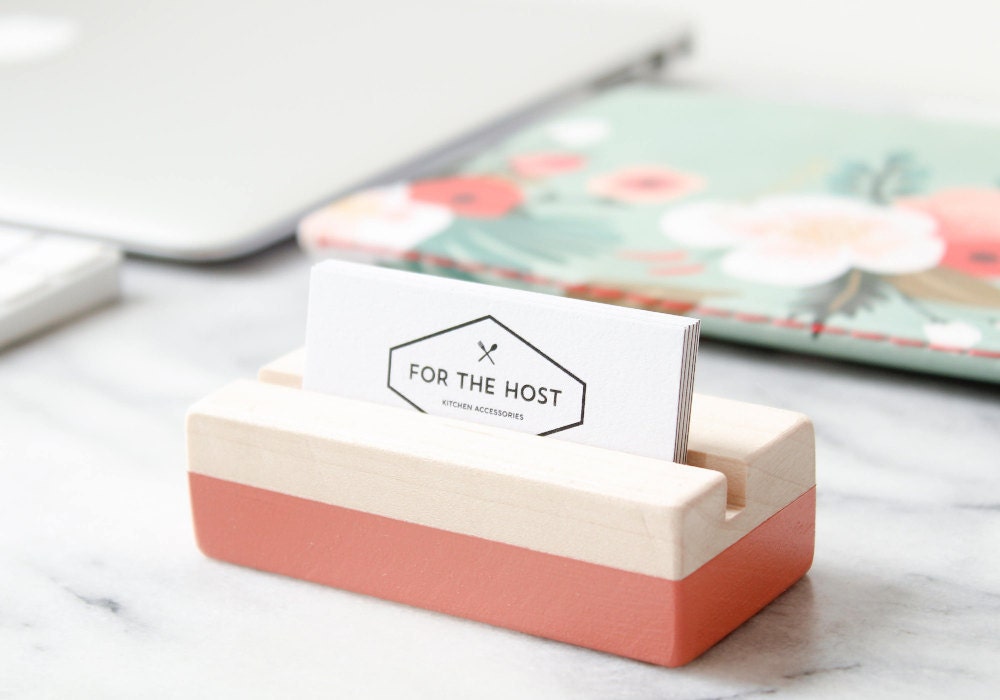
Your brand lets everyone who comes into contact with your business know who you are, what you care about, and why they should care about your products. Sharing the story behind your shop—your inspiration, perspective, and values—helps create a more personal connection with buyers. Developing a clear, recognizable identity helps attract new buyers and keep existing customers loyal. Through branding, you infuse the story of your business into everything you do including customer service, marketing, and graphic design.
Defining a brand promise provides a foundation for bringing your brand to life. Once you establish what you’re delivering, who you’re delivering it to, and why it’s uniquely valuable, you can ensure a cohesive, consistent application wherever people interact with your business. Here are four questions to help you shape your brand promise, signaling to customers what your business stands for and what experience your products will deliver.
1. Who are you and why do you sell your items?
In an environment like Etsy, a big part of the appeal is the authenticity and personal aspect of what you do, so think about how the story of your business fits into your brand. The story behind your products can attract customers because it makes what they’re buying special—and by extension, it makes them feel special.
Sharing the who behind your brand is also important. Buyers, press outlets, and other members of the community want to get to know you: who you are, what inspires you, how your shop came about, and what it means to you! Weaving those written details and visuals into a compelling about section can help tell that story in a compelling way.
Pro tip: A buyer’s curiosity doesn’t just stop at you—they want to know who did the embroidery, who packed their parcels, who replies to their messages. If there are multiple people on your team, be sure to introduce them, too! Add shop members.
2. What is important and consistent about your product? How is your product different?
What is your Unique Selling Proposition (USP)? What does your product reliably and uniquely bring to the table? Your USP is a way of expressing what you offer, what you value, and what people can expect. Think about what you sell: What makes your dog sweaters different from other dog sweaters; why is your hand-dyed yarn special? Think about what you offer from your customers’ perspective: What is unique about your business that can serve their needs? Read What’s Your Competitive Advantage? for more tips.
3. Which words would you use (and want other people to use) to describe your items?
Say you’re a dog photographer. You take pictures of pet owners’ dogs—and so do lots of other people. What adjectives can you use to differentiate and position yourself from your competition? Try the 20/10/4 exercise: Choose 20 words to describe your brand, then whittle them down to 10, then 4. The pet portraitist whose four words are “soulful, spiritual, accessible, and playful” appeals in a different way than one who describes her brand as “sophisticated, experienced, elegant, and chic.”
4. Who are your customers?
Brainstorm the person who is most likely to purchase from your shop. This is your target customer—the person you should always have in mind as you design and market your product line. The promise you make to them through your branding should reflect their specific demographic details: How old are they, what kinds of TV shows do they like, how much money do they make, where do they live? Knowing who your customer is will help you create a message and identity that resonates with their values, interests, and needs. Focus on them—don’t worry about being everything to everybody. Learn more about Identifying Your Target Customer.
Craft your statement
Every brand promise looks different, but it can be helpful to keep this general framework in mind while drafting your own: Every experience with (business name) conveys (unique selling proposition and key values) to my customers. Reflecting on the why, what, who, and how that drives your business forward will help you draft a statement that sets clear expectations. Then, explore the rest of the Ultimate Guide to Branding to learn how to fulfill that promise through brand-aligned design, voice, and service choices.
Continue reading > Developing a Brand Design Palette
Go back > The Ultimate Guide to Branding
 Words by Etsy Staff