The Problem
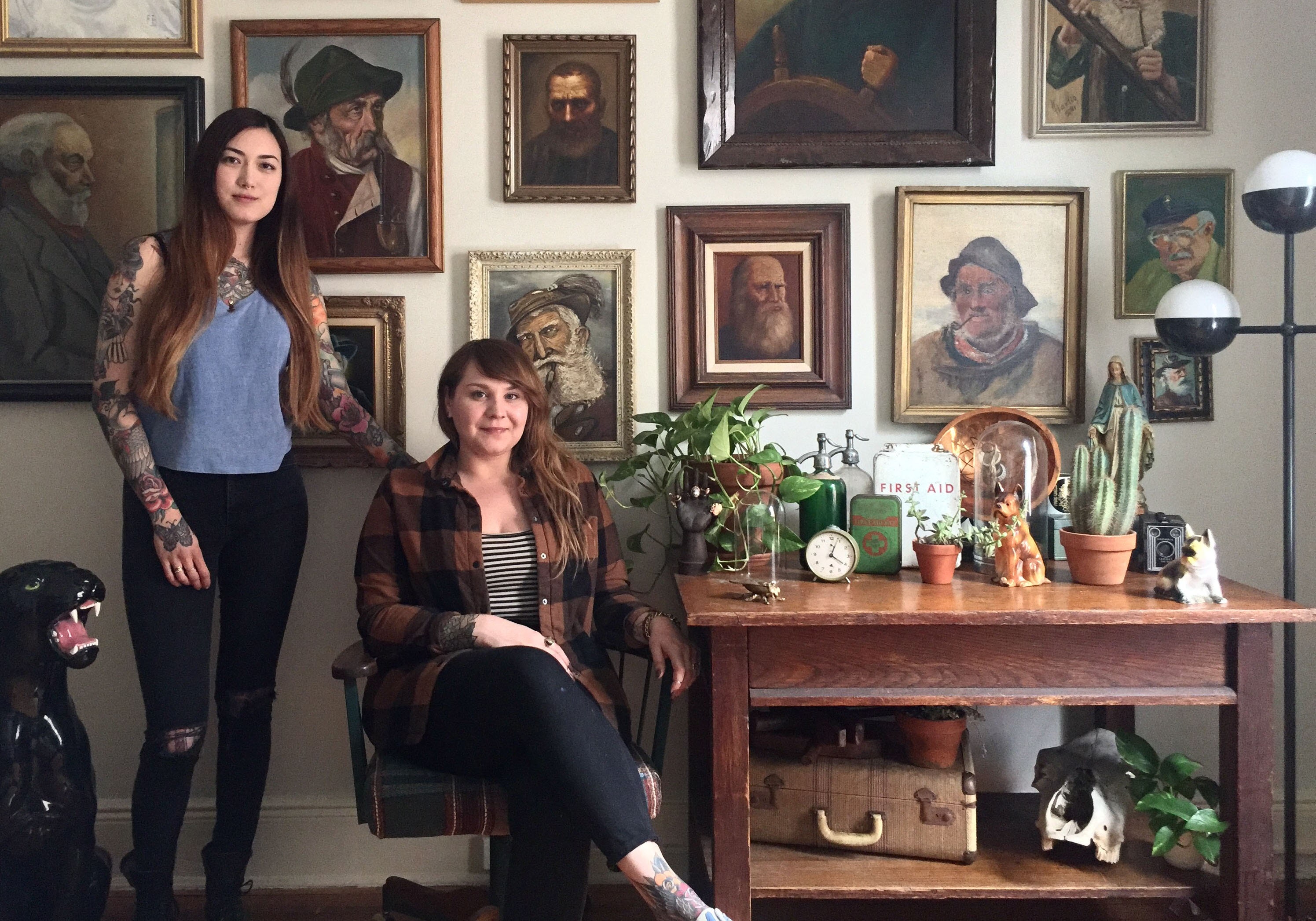
When every item you sell is unique, taking product photos can easily become a time suck. That’s what Ali Arakawa and Mia Graffam quickly learned when they started Fare Well Trading in 2013. To stock their New York City-based online vintage shop, the friends went on monthly buying trips and amassed 50 to 80 items. Listing their monthly haul required taking up to 400 product photos. Using an elaborate photography set-up, with a backdrop, studio lights, and a DSLR camera, proved laborious. “Ali and I would spend hours setting up and breaking down our photography studio on top of styling all the photos,” says Mia. “We would spend full days photographing everything all at once. Then, transferring the images over to the computer to edit and post took hours. It ended up driving us crazy.”
The Solution
After five challenging months, Ali and Mia revamped their photography process.
Go mobile: The duo decided to ditch the fancy photography equipment in favor of a more minimal approach. “We figured out that taking photos with a phone is 10 times faster,” Ali says. They use iPhones and natural light to photograph their products on a credenza or in front of a blank wall.
Develop a routine: “I think the most important thing is staying organized,” says Ali. The partners prefer to shoot their product photos in bulk, spending at least five minutes photographing each item. “I start by setting all the products on a table next to my photography area, like an assembly line,” Ali explains. “I clean and examine each piece, making mental notes of details to highlight in my photos.” Then, she moves one item at a time into the photography area, adding props as she goes along. “I take one photo of the item with props, then four detailed close up shots,” says Ali. “Once I'm done photographing the item, I move it to another table where I sit and write out listing descriptions.”
Focus on the details: Ali and Mia use an inexpensive clip-on macro lens for capturing crisp close-up shots. “I make sure to capture various angles of each product, and that all the important details are documented,” says Mia. “If people aren't able to see the product properly, they aren't likely to want it for themselves.” Before they start photographing, they look for any damage or wear on vintage items and make sure that it’s visible in their listing photos.
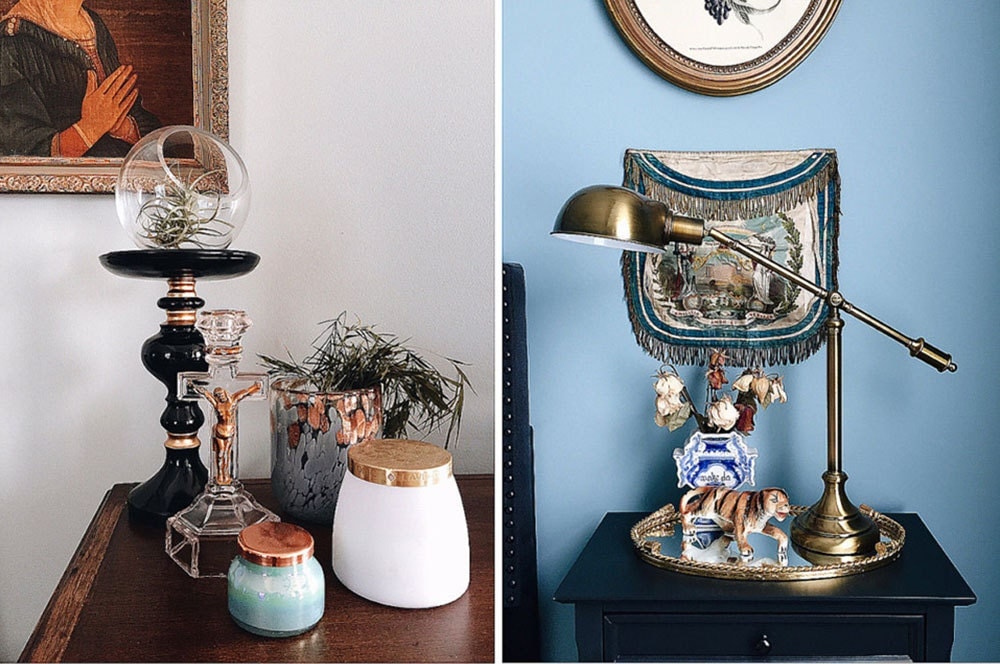
Set the scene: “We show people how to display things they wouldn't normally think to use in their decorating,” says Mia. Using an assortment of props and thoughtful styling, Fare Well Trading’s products come to life for potential customers. “Just because something was produced for a specific purpose doesn't mean you have to use it for that,” says Ali. “We’ll get an old ashtray and shove an air plant in it, because not everyone smokes.”
The Results
Since opening their shop, Ali and Mia have photographed, listed and sold over 1,700 vintage items. In 2014, Mia moved to Nashville, Tennessee. Even though they live in different cities, both shop owners continue to source, photograph, and list new products in their shop. In order to maintain a consistent look throughout Fare Well Trading, both owners take photos using natural light, similar backgrounds and their trusty iPhones. These days, Mia and Ali list between 10 to 35 new items a week in their shop. “I'm so excited about how our business has grown,” says Mia. “And I couldn't ask for a better partner through all of it.”
Continue reading > Chapter 10: How to Photograph Challenging Items
Go back > The Ultimate Guide to Product Photography
 Words by Etsy Staff